

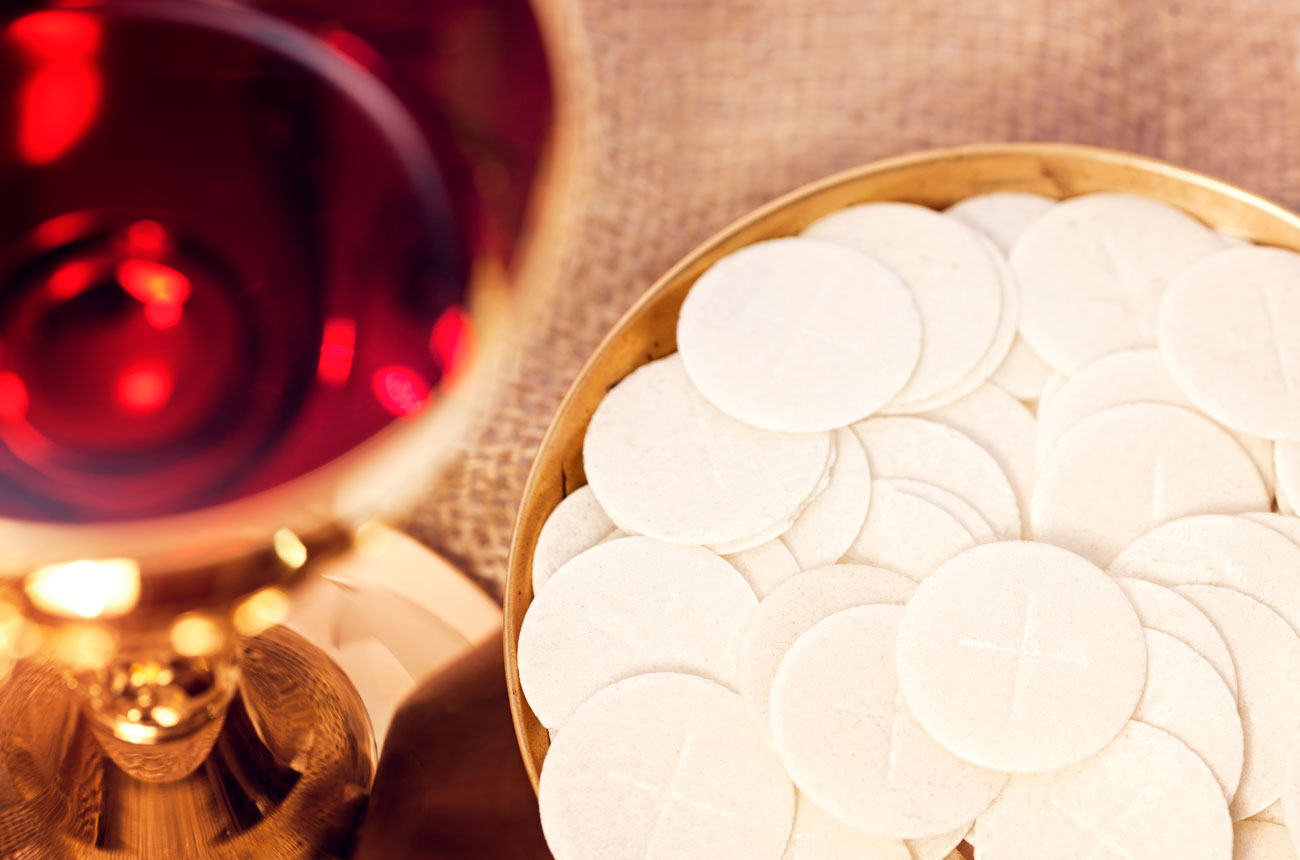
“Now as they were eating, Jesus took bread, and after blessing it broke it and gave it to the disciples, and said, “Take, eat; this is my body.” And he took a cup, and when he had given thanks he gave it to them, saying, “Drink of it, all of you, for this is my blood of the covenant, which is poured out for many for the forgiveness of sins. I tell you I will not drink again of this fruit of the vine until that day when I drink it new with you in my Father’s kingdom.”” (Matthew 26:26-29)
These words are read to us every time we have Holy communion at our church. They represent Jesus’ inauguration of one of two ordinances (religious rites) that Protestants recognize (baptism being the other). Jesus is speaking the night before he is crucified, as he shares a last meal with His disciples. He uses bread and wine to symbolize what is just about to happen to him. What will happen will not be by the planning of men, but is a purposeful work of God to fulfill His promises from the Old Testament.
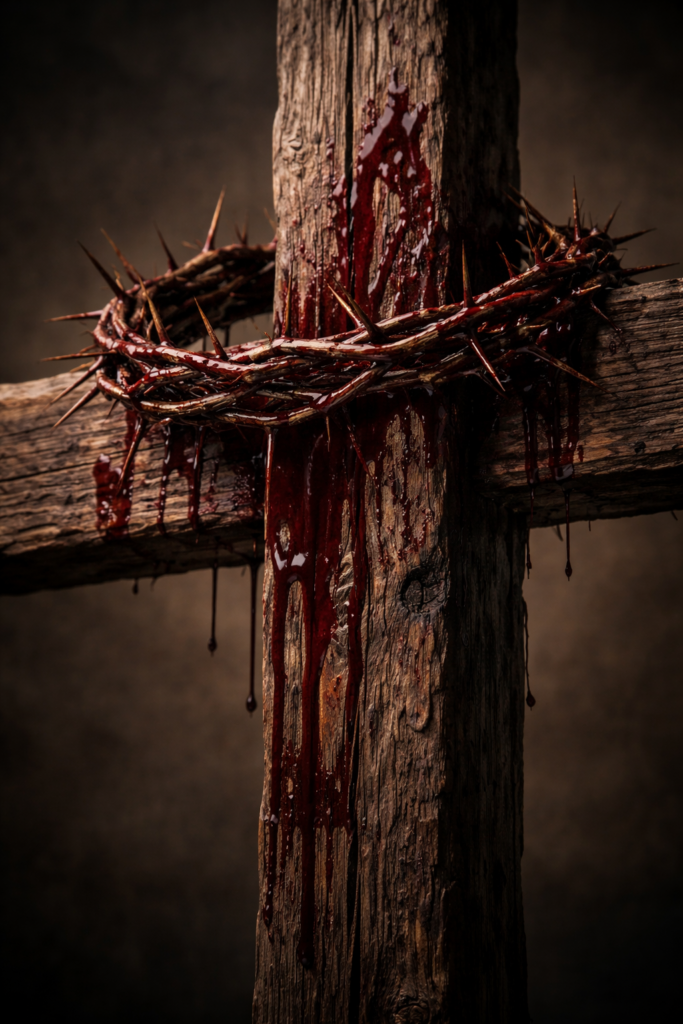
“But he was pierced for our transgressions; he was crushed for our iniquities; upon him was the chastisement that brought us peace, and with his wounds we are healed.” (Isaiah 53:5) Isaiah was pointing forward to what would happen to Jesus and why. Jesus body was broken and His blood was spilled, to face the punishment for humanity’s sin. As He himself says in Matthew 26:28, His blood would be “poured out for many, for the forgiveness of sins.” It was the only effective way for God and man to be reconciled, as the just punishment for sin was doled out on Christ, the perfect Substitute for sinners. Jesus’ death represents the greatest point of seeing God’s grace and kindness to sinners.
This is why it is worth celebrating and remembering. When we celebrate Communion, we “proclaim the Lord’s death until he comes” (1 Cor. 11:26). We proclaim that we believe in and benefit from His death. When we partake of it we are in essence confessing that we are sinners who required that the Son of God die in our place so that we can be forgiven and have relationship with God.
The way in which this ordinance is a means of grace – a gift to cause us to delight in the kindness of God, is that it reminds us what we are really like by nature and then proclaims to us how it is that we are saved and made new. Communion is for sinners! It is a reminder for sinners that there is grace to be taken hold of and received in the face of Jesus Christ. It is a valuable reminder that though we deserve God’s right judgement, the Righteous One has borne it for us, so that we can receive His righteousness. It is a reminder to drink afresh from the fountain of God’s generosity, to be refreshed in faith as we think upon how our Lord saved us. It is a reminder of the faithfulness and love of God – that he keeps His word of promise to save and did not spare His own Son to make it happen!
In that case, it is ok (and I think proper) that we should feel the weight of our sinfulness when we approach the Lord’s table for Communion. That is the reason Christ came, to save sinners by facing judgement for sin. I, however, believe that we should partake Communion with joy. This joy is in knowledge that though our sin be black, through Christ’s work we are washed white as snow! We cannot only apply part of the truth; we must apply the whole truth, that we are terrible sinners but that God is a mighty Savior in Christ! “Our sins they are many, His mercy is more.”1
It does us no good, to go on carrying our sins before the Lord’s table and after it. That, may I say, is stubborn pride! It is pride that would make us reject the solution to our problems because we feel unworthy of such a gift. It is pride that would dare to think that Jesus can’t really save us, as though asserting that His arm is too short to do such a ‘great’ work as deal with our sin. It is pride that would make us think Jesus is too tired with our repeated sins. Is it not pride to think God can’t keep His Word to save to the uttermost? (Hebrews 7:25)
We would be mistaken to think that taking Communion seriously means always carrying our sins about us. Actually, those who take Communion seriously are those who acknowledge that they are sinners and who also acknowledge that God has supplied a solution to this problem in the death of His Son! It requires humility for us to go to God, knowing and confessing what we are and then receiving from him kindness in grace through faith in the death of His Son for us.
What about Paul’s warning to those who took the bread and wine in an unworthy manner? The context of 1 Corinthians 11, where Paul is talking about the Lord’s supper, the Corinthians were taking this ordinance just like a meal one had at home. Some came and ate to their fill, while others remained hungry (11:20). They were not taking seriously the reason for the ordinance; they did not, “discern the body” (11:29), i.e. consider what it represented or what it was for. It is for this reason, their lack of reverence for what was being celebrated, that they received God’s judgement.
Communion is not something to joke about or around. It’s not just a box-ticking exercise for your local church every month (or however frequently you celebrate it). It involves the serious business of examining our hearts, acknowledging our sins, confessing them to the Lord and receiving from him the forgiveness for our sins! Do not make it any less than that, or add heavy burdens to it. Partake of it as a desperate sinner, who has come to the Kind and Generous Savior, and rejoice greatly in it! Hallelujah!
- Hymn “His Mercy is More“, by Matt Papa and Matt Boswell ↩︎