

I wonder what you’re thinking as you’re starting to read this post. “Do I need a theology of suffering? What is a theology of suffering? Isn’t suffering wrong? Should I really have a theology about such a negative thing as suffering?” If you are like me, you’ve probably grown up thinking that suffering is an anomaly or hearing that suffering is a demonic spirit that should be shunned, rebuked and denied! But is this a Biblical idea? Or rather an outlook influenced by culture and a false prosperity gospel?
I want to make a case for suffering as a reality for every human being living in this fallen world. I also want to make a case for suffering as a specific reality for the Christian, i.e. that the Christian will suffer as part of their pilgrimage on this earth, as a part of the determined will of God. But thirdly and most importantly, our view of God through this inevitable suffering matters!
Firstly, the reality that we live in a broken, fallen world guarantees that every person will encounter suffering in one way or another. What happened in Genesis 3, when sin entered this world and God’s judgement was announced ensured that the human experience would involve pain and suffering. Enmity between the serpent’s offspring and humanity would involve pain and suffering, at the very least in the reality of snake bites (3:15). Child bearing, from menstruation to pregnancy (or infertility) to child birth (or miscarriage) to bringing up children (or losing children) would involve pain and suffering (3:16a). Relationships between men and women would involve pain and suffering through patriarchy and the battle of the sexes (3:16b). Working the earth would involve pain and suffering (3:17-19). Frustrated labor, as thorns and thistles are borne instead of good food; the added strain of hard labor to get enough to eat and finally, death – the return to dust! The previously well-ordered creation is subjected to futility and corruption (cf. Rom. 8:20-21).

There is no human being who is unaffected by all of this brokenness. If anything, women seem to feel all the different sorts of pain and suffering without exception! It would therefore be foolishness to think that we can somehow avoid pain and suffering. We need to settle it in our minds that life in this world will be hard in one way or another as we bear the consequences of our sins. It should not shock us to suffer. It should make us think, “This is part of the consequence of the Fall.”
But what about being a Christian? Should that condition not exempt us from pain? Not if you’re are reading your Bible well. There is not a single notable figure in the Bible, whom we can call a man or woman of God who does not in one way or another bear pain and suffering. In fact, it is because they are God’s people that they seem to particularly face trials and hardship.
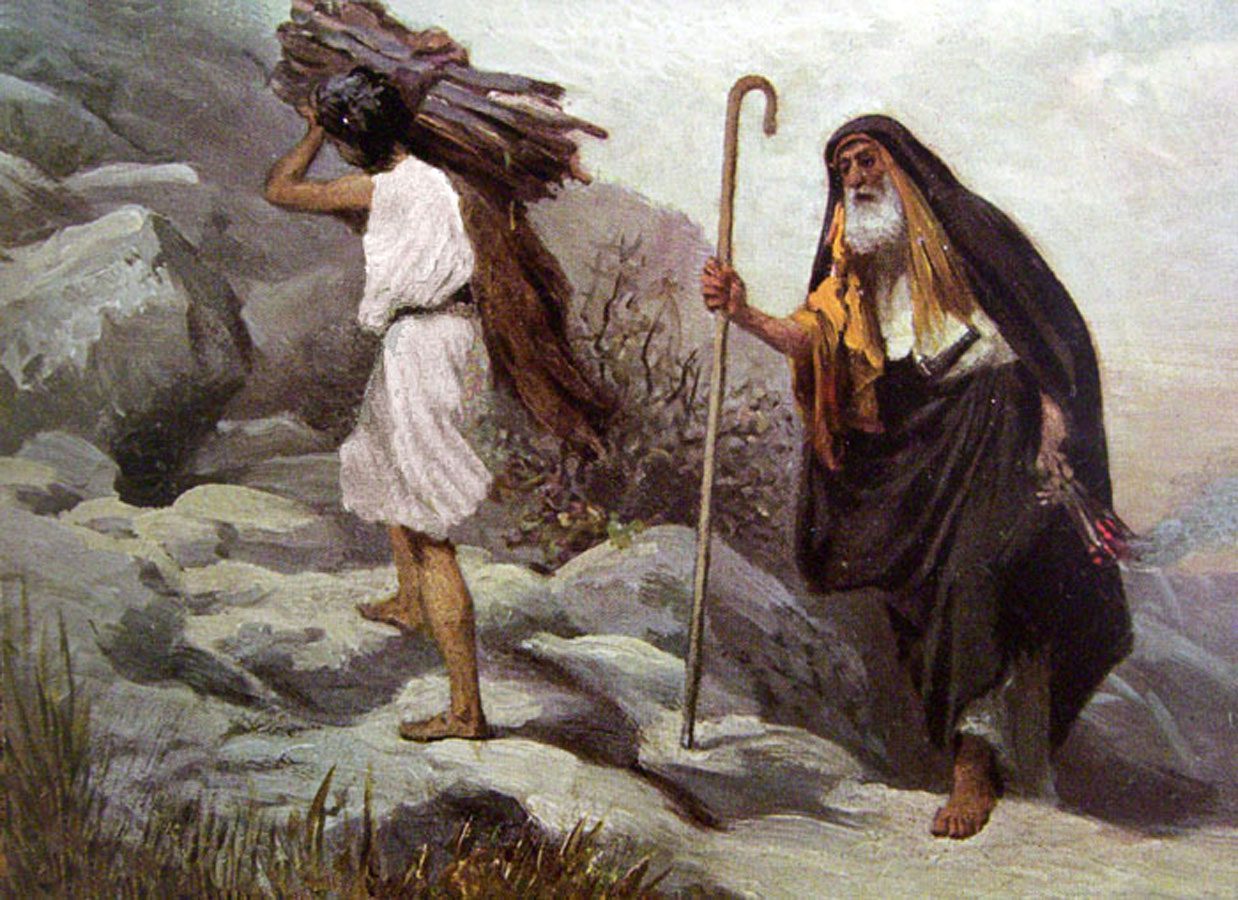
Let us consider some early figures beginning with Abraham. God reveals Himself to Abram and makes promises to make him into a great nation and bless the world through him and to give him a great land and offspring. God tells him all these things when he is an old man of 75 with a barren wife. Abram and Sarai had already suffered plenty by the time God makes them these promises. But they continue to live in this state for another 25 years! Throughout this time, God’s promises seem impossible to achieve and yet God accomplishes it in His time.
But then God asks Abraham to offer his son as a sacrifice. Whilst we celebrate Abraham’s obedience, have you ever stopped to think what it cost him? How painful the trip up the mountain to the place of sacrifice was as he contemplated killing the son he had received as a promise from this same God? It was a test, but Abraham didn’t know that until God called put to him to stop, inches from killing his son. It must have been excruciating!
Think of Joseph, a figure we love in the latter part of Genesis. We love to tell his story and imagine that we are called to greatness like him, but we rarely spend time thinking through the pain and suffering he endured as a righteous man. He had a dream from the Lord about becoming a great man, yet his brothers plotted to kill him for this and for being his father’s favorite. He narrowly escapes that end only to be sold into slavery in a foreign land. He is bought as a slave for Potiphar, whom he serves diligently and faithfully, only to be fawned over by Potiphar’s wife and then falsely accused and imprisoned for resisting her advances! In prison, he continued to be diligent and faithful and remained forgotten by those he helped. It is as though his righteous acts worsened his suffering.
But before we get too carried away by the circumstances these men went through. Let us remember the theology that sustained them in the pain and hardship: their view of God. In the midst of the challenges they faced, they kept in mind that God was in charge of their lives and would fulfill His great and sure promises. Even when Abraham faltered and acted from fear, God worked things out and proved His faithfulness and Abraham learned to trust the Lord. In the varying circumstances of Joseph’s suffering, his commitment to the Lord and to being faithful to Him remains steadfast, because He knows that God’s love is steadfast and His promises sure. These men learned to trust the Lord and that gave them grace to bear up under the challenging circumstances that they faced.
In fact, Joseph’s view of God grew so much that when he spoke to the brothers who betrayed him, he told them, “And now do not be distressed or angry with yourselves because you sold me here, for God sent me before you to preserve life. . . And God sent me before you to preserve for you a remnant on earth, and to keep alive for you many survivors. So it was not you who sent me here, but God.” (Gen. 45:5, 7-8). Three times he repeats that it was God who sent him to Egypt. The pain and suffering were a tool in the Good Lord’s hands for the sake of preserving many lives, including those of His covenant people, Joseph’s family. That’s the theology that had sustained Joseph and that helped him make sense of his life. God was in charge and had worked through very difficult, even sinful circumstances for the greater good, and the glory of God. To this Joseph said a vibrant Hallelujah and a hearty Amen!
Do you have a theology of suffering? I hope so. I hope that you know that this world is broken and tough times will come. I also hope you know that as a Christian you will face even more suffering (more of which we will think about next time). But I hope that above these realities, you will know and trust in the reality of the God who is above the brokenness of this world and who even uses this brokenness to further draw us to Himself and build up our faith. May the Sovereign, All-Good, God be at the very core of your understanding, belief and view of suffering.
