


Many of us will know the famous song by Tasha Cobbs called “Fill me Up God”. It was sang recently at the church I go to and I found I was not able to join in the singing because I did not quite agree with the lyrics of the song. Some of you might accuse of me of overthinking the words, but let’s just take some time to think them over. I am especially concerned about the chorus:
You provide the fire, I’ll provide the sacrifice,
You provide the Spirit, and I will open up inside.
At face value, it is easy to consider these lines as lines of complete and utter surrender to the Lord. It is possible that the author intended them to be read and understood like that, perhaps reflecting on Romans 12:1. However, I am not sure that I can agree with the author about what they are really saying. In my understanding, these words represent unbiblical assumptions.
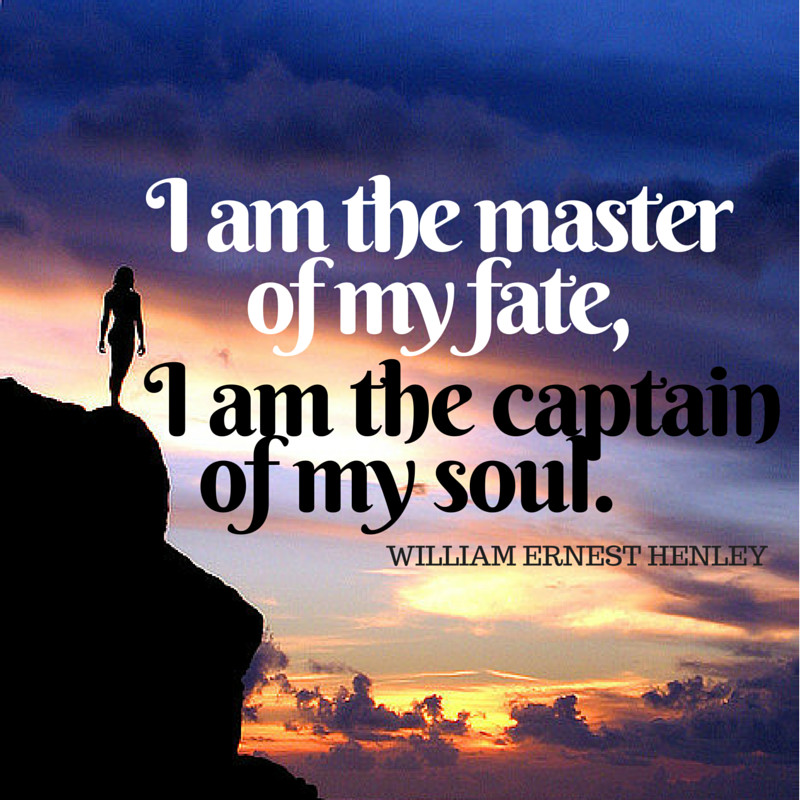
What this song assumes that I now disagree with is that we, sinful humanity, can offer ourselves to God. It assumes, and arrogantly so, that we are really masters of ourselves and all we need is God to do some of the work and we will be able to do the rest. However unintentionally the author may have done this, the truth remains that there is a false sense of confidence in the self to do good and respond rightly to God.
Someone might push back on this and say, “But Leah, are we not exhorted in Romans 12:1 to offer our bodies as living sacrifices to God?” To this I say, yes we are. But the beginning of that verse gives us the context in which to think about this ‘offering’. The full verse reads (in the NIV), “Therefore, I urge you, brothers, in view of God’s mercy, to offer your bodies as living sacrifices, holy and pleasing to God – which is your spiritual act of worship.”
What Paul calls us to offer, is only after the receiving of God’s undeserved kindness through the cross of Christ. We can only dare to give our bodies to God, because we have received His mercy, which has saved terrible, desperate sinners and made them holy and capable of pleasing Him. This means that we cannot respond to God unless He has worked in us to transform us into those who are holy and enabled us to do that which He wants.
In short, it is God who must provide for Himself a living sacrifice. It is He who must first move in His grace and mercy, before the sinner can be awakened to their sinfulness and dare to run and turn to Christ for salvation. It is His irresistible grace that draws the sinner to repentance and faith. This is why we are said to be saved by grace through faith. Even the faith we can claim, is an act of grace itself! It is God alone who must work to make us what we are not – sanctifying us and making us capable of being instruments of righteousness. And so, I offer up an edit to the lyrics:
You provide the fire, You provide the sacrifice
You provide the Spirit, and open me up inside,
. . . Fill me up, God!
As you will note, I have changed all the places where human agency was articulated and I have put God as the subject. It is Him who must provide the fire and the sacrifice. It is He who must give the Spirit, who opens us up inside so that we can receive the filling of the Lord. This is how we can come to know God more deeply and be truly surrendered – that God works it all in us for His glory and our good.
In this version, there is blatant acknowledgement that what we desire can come about only through God’s actions, without any of our contribution. It humbly acknowledges that we are powerless to contribute even to the desire to want God. If we are to be worthy sacrifices, full of the Spirit, we must accept the fact that we cannot offer ourselves nor even have the desire to do so. We are saints only by God’s grace and can live as saints only by God’s grace. It must be grace through and through; grace before us, grace beside us, grace behind us. It is also grace that enables us to want more grace for the glory of God!
Now, we must also ask, “Do we have responsibility for our decisions and actions, including our decision to receive grace?” The simple answer is yes! We will be held accountable for how we respond to God. And yet, we cannot turn to God unless He works in us. “But God, being rich in mercy, because of the great love with which he loved us, even when we were dead in our trespasses, made us alive together with Christ—by grace you have been saved. . .For by grace you have been saved through faith. And this is not your own doing; it is the gift of God, not a result of works, so that no one may boast.” (Eph. 2:4-5, 8-9). We are especially set to respond negatively to God because we are rebellious sinners. The wonder is actually that God is merciful to choose and enable some, to hear His call and respond to Him rightly. We are doomed, unless the Lord shows mercy. Let those who have received mercy not boast in themselves but in the God who saves!