

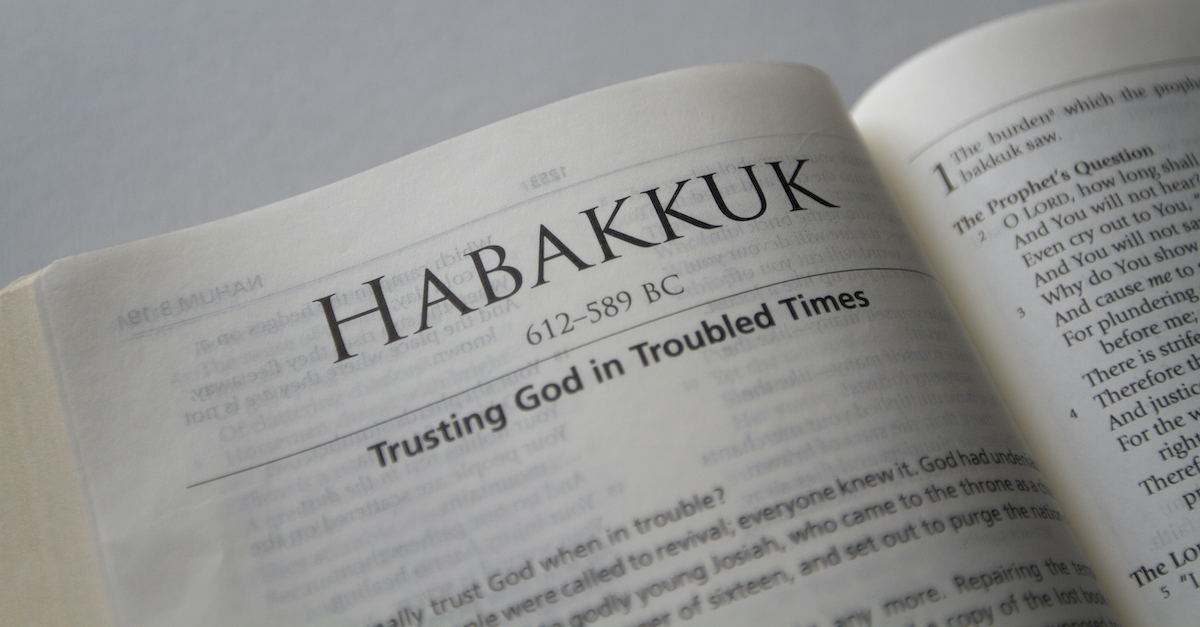
Habakkuk is an Old Testament favorite of mine that I had the opportunity to study awhile back. I love how raw it is, revealing Habakkuk’s state of mind as well as God’s great patience in responding to his questions and complaints. At a time when I think there are many either with lots of complaints about the broken state of things or questions about what God is doing about it, this book is relevant. At a time when the world is at the brink of what feels like World War III, this book is relevant. Let me give you an overview of what it offers.
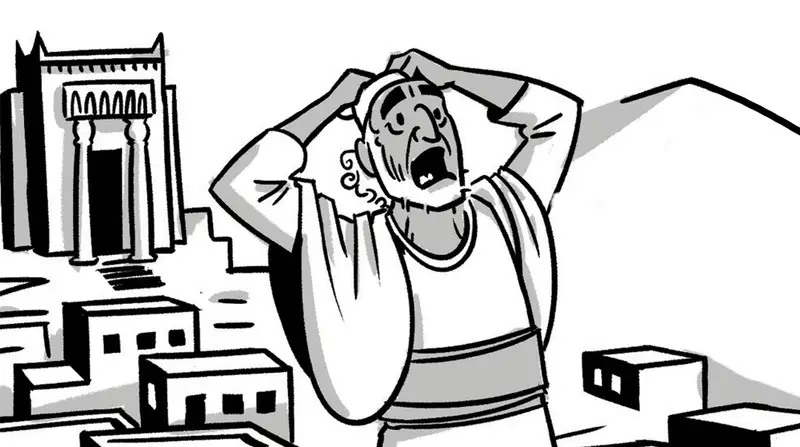
The book starts with Habakkuk’s complaint at the state of things in the nation of Judah. He’s sought of saying, “God, why are you quiet and letting injustice prevail?” (1:1-4). From where Habakkuk’s standing, it seems as though God isn’t upholding his law. God had clearly said in his law that anyone who perverted justice would face his judgement (e.g. Deut. 16:18-20). But on the ground in Habakkuk’s day this didn’t appear to be happening. Habakkuk wants God to act; “Do something!”
God graciously responds to Habakkuk’s complaint, “I am doing something: I’ve raised up the Babylonians (Chaldeans) to come plunder Judah in judgement.” (1:5-11). What chilling words to hear! God who seems quiet, not raising up to defend his Word, has been working in another nation, to raise up a ruthless people as the global superpower for the sake of executing judgement upon his people!
Habakkuk is flabbergasted, “What?!! O LORD, how can you solve a problem of injustice, using the unjust? Answer me that!” (1:12-2:1). While acknowledging God’s greatness, he can’t get over what appears as an intensification of wickedness for the sake of righteousness. He highlights how the Chaldeans are wicked and his people are more righteous than them. To add insult to injury, they are idol worshippers!
God responds, “Write what I tell you and trust me. These Chaldeans are deceived and I will surely judge them for their wickedness and idolatry.” (2:2-20). God doesn’t relent in his determination of judgement for the people of Judah, but does reveal that judgement also awaits the Babylonians for their wickedness and idolatry. They would be taunted and covered in sorrow for their wrongdoing. God also reveals that this is also a means of revealing himself to the world while silencing the lies of false idols.
At the end of all this, Habakkuk responds to God’s Word with a prayerful song, “OK God! The reality of your great judgement and salvation terrify me, BUT I will wait for it in trust and joy.” (3:1-19). What more can be said when the Sovereign God speaks of his terrifying plan for judgement and salvation? You are left to simply accept it, wait for it in hope and trust in him to get you through all of it in joy.
Several things stand out for me from this book in its exchanges between Habakkuk and God. Firstly, Habakkuk’s response to a broken world involves talking to the God he knows is over it. While Habakkuk’s view of God seemed to limit him to concern for Israel alone, we know that through Christ that God is concerned for the whole world. But we also get moments when it looks like evil is running the show. I mean, look at what’s happening between the modern state of Israel and Palestine and Iran, Russia and Ukraine, is God really there? Does he see? Why is he doing nothing? Habakkuk teaches us to go to God with it and seek his action and intervention in it. “Lord, see the injustice and act.”
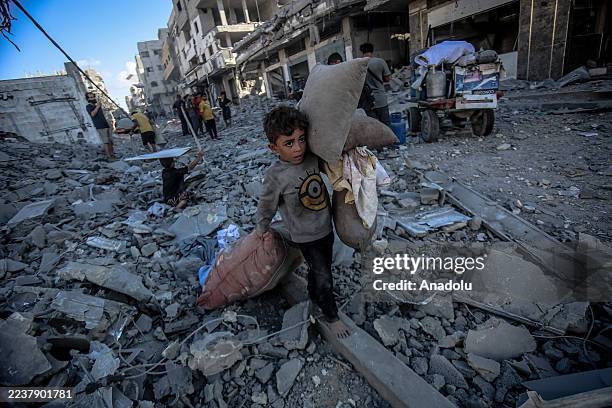
Unfortunately, many of us can see what is wrong with this world but respond in disbelief in God. Faith, turns to God for answers. Questions, even complaints can be a good and righteous response. They need to go to God, not only in criticism, but with a desire for him to arise and act in accordance with his Word. I’ve found that sometimes, when people see an incongruence in the church or society, they are quick to disbelieve God existence or sovereignty. We should learn from Habakkuk and go to God with a belief that he is there and He is able and willing to act in justice!
Secondly, God’s appearing silent and inactive, is not true. God is at work even when it appears that injustice is prevailing. According to what He reveals to Habakkuk, He will not let the unjust go unpunished. God does not fail to hold up his righteousness. Part of his rightness is to judge badness. . . and he doesn’t fail to do his job. Even now in this broken world, wherever evil seems to be prevailing, it will not do so continually; God’s judgement will surely come though it feels slow in coming. We have to trust in God’s righteous character to uphold righteousness – even if he chooses to raise up ungodly superpowers to do it before also judging them for their wickedness. Whilst I am also often tempted to disbelieve God’s sovereign control, thinking ,”Isn’t evil too contrary to God for him to be working within that as well?” According to Habakkuk, the answer is no, it’s not. God is able to use even greed, wickedness and idolatry for his good purposes without compromising his righteousness! (How mysterious!)
Thirdly, I don’t have to like what God says, but I have to respect and trust it. Habakkuk’s response to God’s Word is shock, followed by acceptance, followed by patient trust. We won’t always respond to God’s Word with praise! Its okay that it stuns and confounds us. We are allowed to struggle to take it in. But ultimately, we have to accept it and respond as it directs us to. God tells Habakkuk, “the righteous shall live by faith” (2:4b). The context of this line is in the midst of God’s proclamation of irrevocable judgement over Judah by Babylon. Whilst the evil superpowers were going to act powerfully and proudly, the righteous were to live by faith.
What does faith mean for Habakkuk? By Habakkuk’s response in chapter 3, I think it means accepting God’s Word, trusting it and waiting for it. Trust involves being confident in God and what he determines to do. This comes from God’s good character. Whatever he determines must be good and so we choose to put our confidence in it. When we trust God, then we can wait for him to act, even when it terrifies us. “I hear, and my body trembles; my lips quiver at the sound; rottenness enters into my bones; my legs tremble beneath me. Yet I will quietly wait for the day of trouble to come upon people who invade us.” (3:16). Habakkuk is real with his response to God’s Word. It makes him shake in his boots. But because he trusts God, he can wait for what comes after the terror, assurance that evil will not prevail. Habakkuk is embodying what it means to live by faith. He is letting the trustworthiness of God’s Word (truth) to anchor his trust.
This encourages me in the midst of a broken and fallen world where God has said that those who are His will face particular hardship. Though it might terrify me, the truth is, it serves a purpose in me and will not escape God’s judgement. Christians experiencing severe hardship due to war or poor governance, do not need to distrust God because of fear or danger. They need only to turn to him to see beyond the fear and brokenness, to the One who stands above evil dictators and will not let evil prevail without an end or go unpunished.
Lastly, Habakkuk reveals that trust in God breeds joy. Trust rules Habakkuk beyond his fear, so that he knows that even in the midst of the reality of terror in his life, he can rejoice in the LORD. “Though the fig tree should not blossom, nor fruit be on the vines, the produce of the olive fail and the fields yield no food, the flock be cut off from the fold and there be no herd in the stalls, yet I will rejoice in the Lord; I will take joy in the God of my salvation. God, the Lord, is my strength; he makes my feet like the deer’s; he makes me tread on my high places.” (3:17-19).

Habakkuk’s description reflects the terrible effects of invasion and plunder: scarcity of food and provisions. Yet, it is in this state that Habakkuk rejoices in the One True God. He knows God works salvation and will give him strength to stand firmly in such circumstances. Where is your confidence? Is it really in the One True God? Are you willing to face the hardship and brokenness He may ordain, in trust that He’ll get you through it joyfully?
The righteous call on God to uphold righteousness. But they also take him at his Word, fearful as it might be and put their confidence in it as His good Word. The righteous accept this Word in patient trust – watching and waiting for its fearful fulfillment. The righteous know that there is hope beyond the danger and fear and so look to God for strength and joy in the midst of all of it! Thank God for giving us this small but relevant book as part of His authoritative Word!