

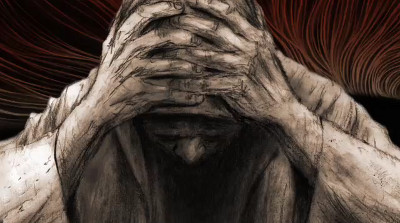
Just in case you’re coming to this post having not seen the previous two, we are currently thinking through developing a theology of suffering. In the first post, we thought about the reality of suffering in a broken, sinful world. The Fall and the consequences of sin, ensure that we will all be met by suffering in one form or another in this life. More to this, those who are God’s people, i.e. Christians, in particular will suffer as part of God’s purposes while in this earth.
In the last post, we considered how Job’s story breaks apart the worldview that only those who are unrighteous suffer. Job 1 makes very clear that Job is a righteous man, whom God allows to lose great material blessings at the hand of the Adversary. In the midst of his loss, Job is anchored in trust in the sovereignty of God and is able to worship God, giving Him glory in the midst of his suffering. The devil’s scheme, to get Job to curse God, fails and God is glorified.
Job continues to persevere in his faith in and trust of who God is
But the story is only beginning. Job 2 starts with the sons of God presenting themselves in heaven before God again, and Satan is also among them and God initiates another conversation with the Adversary, “Have you considered my servant Job, that there is none like him on the earth, a blameless and upright man, who fears God and turns away from evil? He still holds fast his integrity, although you incited me against him to destroy him without reason.” (2:3)
The LORD still identifies Himself with Job as He calls him, “my servant”. Job’s losses and suffering are not a reflection of any animosity or rejection from God. He is still looked on favorably by God. Job is further described as one “who fears God and turns away from evil”. This description identifies Job as wise and godly, the kind of man who is living as God pleases, especially as Wisdom Literature describes. Consider Proverbs 1:7a, “The fear of the Lord is the beginning of wisdom”, which also Psalm 111:10a reiterates. Proverbs 8:13a adds, “The fear of the Lord is hatred of evil”. Proverbs 16:6b adds, “by the fear of the Lord one turns away from evil”. Job understands this and will eventually reveal to his friends, “Behold, the fear of the Lord, that is wisdom, and to turn away from evil is understanding.” (Job 28:28). Despite highlighting the vanity of life in this broken world, the Teacher in Ecclesiastes closes the book by advising his son to “Fear God and keep his commandments, for this is the whole duty of man.” (Ecc. 12:13b). Job is living in a manner pleasing to God.
Wise and godly Job continues to fear God and turn away from evil, even when his life seems to be falling apart. God testifies concerning him, “He still holds fast his integrity, although you [Satan] incited me against him to destroy him without reason.” (2:3b) What does it mean for Job to ‘hold fast his integrity’? In this context, I think it means that Job continues to persevere in his faith in and trust of who God is. Suffering has not eroded Job’s faith or faithfulness to the God who is sovereign. Job continues to cling to his BIG view of God, even in the midst of what might appear to be evidence to the contrary.
This ‘contrary’ evidence seems to intensify as the Adversary schemes to have Job’s health taken away and God permits him to do so (2:4-6). “So Satan went out from the presence of the Lord and struck Job with loathsome sores from the sole of his foot to the crown of his head. And he took a piece of broken pottery with which to scrape himself while he sat in the ashes.” (2:7-8) What will happen now that Job is struck by another blow and his suffering intensifies?

Job’s wife has some advice for him, “Then his wife said to him, “Do you still hold fast your integrity? Curse God and die.”” (2:9) To her, this is one blow too many. This is the last straw that breaks the back of her faith! Why should she persevere in faith in the God who would see her lose her children, wealth and now the health of her husband? This God is not worth clinging to or adoring. He is to be cursed, and the final blow of death waited for. Piper suggests that this statement might have brought the beginning of a smile to the Adversary’s lips as he thought that his schemes would succeed. However, Job’s response cut that smile short!
“But he said to her, “You speak as one of the foolish women would speak. Shall we receive good from God, and shall we not receive evil?” In all this Job did not sin with his lips.” (2:10) Job doesn’t see things as his wife does, despite the fact that he was plagued by incredible physical pain from the tip of his head to the sole of his foot. To lose sight of the Sovereign God was not an option for Job. To him, it was foolishness (the Wisdom Literature opposite to the wisdom which fears God) to think of cursing God. In Job’s eyes, the LORD remains sovereign – the Giver of good and disaster, as He sees fit. He understands that he is not guaranteed only good because he trusts in God. Job understands that the LORD is in charge and that it is in His hand to give good and disaster to whomever He pleases, without compromising His good purposes.
Even with boils erupting all over his body, Job is not persuaded to turn away from God. He continues to fear God – rightly reverence Him as the Ruler of all that is, and to turn away from any evil thought that God is not good even whilst his life is full of physical, mental and emotional pain. He might be perplexed about his suffering, but not to the point of doubting God’s rule and goodness. “In all this Job did not sin with his lips.” (2:10b)
What does this first half of the second chapter of Job teach us? Two big things. Firstly, that suffering is not an indication of God’s disapproval or rejection. Even whilst Job had lost his great material blessings, God still identifies him as his servant – a man he approves and favors. In Job’s case, it was an avenue for God to prove Job’s faith and faithfulness whilst also proving God’s worthiness of worship apart from the things that He bestows.
Rather than fearing pain or the devil, we should fear God
Secondly, this part of the story teaches us to have persevering trust in the Lord even in the midst of intensifying suffering and the possibility of death. Twice, the verses we have considered mention Job holding fast to his integrity (2:3, 9). Job doesn’t let suffering erode his faith or faithfulness to the Sovereign God. He may have lost children, wealth, health and even standing in his community, but that did not diminish his big view of God.
I have had the privilege to hear the stories of a few friends who have suffered greatly in different ways. Some have lost the parents that they have loved dearly. Others have suffered the loss of children through miscarriages. Others have endured great physical pain or witnessed their loved ones go through great physical pain. It has been hard for many of them to keep the view of God that Job had. Some have been embittered by this pain and suffering and have sought to turn away from the Lord. But some, have sat in that abyss of pain and have looked up to the Lord in trust of Him. Their pain has been confounding and perplexing, but they had a theology of suffering that pointed them to the still Sovereign King of the Universe who allowed the brokenness of this world and at times the schemes of the devil to touch them. They knew that He had not ceased to be good even in the valley of the shadow of death. And so like Job, though deeply afflicted, they proceeded to grieve and hope in God – choosing to fear Him and turn away from evil.
I do not want you to read this and think that I want to diminish the reality of your pain, or even think to suggest that you deny it. Pain in this life is a very present and often excruciating reality. But how we face this pain is determined by how we view God. He is the only One who can give meaning and hope to our pain. Pain, rather than being evidence of God having failed us, can be a tool in His gracious hand to reveal what is really in our hearts. Pain is the quickest and clearest means to reveal whether we truly cherish God, because He is God, or whether we cherish Him because of what He gives us. Perhaps it might be prudent, even now – hopefully when the pain is far from us, to ask ourselves if we truly cherish God and think Him worthy of worship whether He gives, takes or withholds from us the things that we want. Get down and honest and ask God for help to love and cherish Him more than what He can give.

Let’s consider two songs that help illuminate the fear that might be in our hearts. You might have heard the song ‘Beautiful Things’ by Benson Boone. What do you make of his plea with God? He looks and sees the things God has given him and seemingly prays, “Please stay. . . I want you, I need you, oh, God . . . don’t take. . . these beautiful things that I’ve got!” The premise of the song is his fear that He could lose all that he holds dear. I think many of us resonate with his thoughts. We read Job and we live with a fear that God could take away everything we cherish.
Perhaps you’re unfamiliar with Benson Boone, what about the popular gospel song ‘Usikubali’? What do you make of the repeated lines in the chorus, “Na shetani akiomba ruhusa aniangamize, usikubali! Na shetani akiomba ruhusa anikandamize, usikubali!”? This song claims a big view of God – I mean, the Adversary must ask Him permission to touch His saints. However, it also undermines it by rejecting God’s sovereignty over our lives and His freedom to allow the Adversary’s schemes to touch us painfully. This ultimately shows a distrust in God to be and do good, using even the devil’s schemes to achieve His good purposes! Rather than fearing pain or the devil, we should fear God, i.e. regard Him and His purposes so highly that we see all that happens in our lives as coming from His Great Sovereign hand and trusting that He works all things for His glory and our good. As Job encapsulates, “Though he slay me, I will hope in him” (13:15). O for grace to trust Him more!